
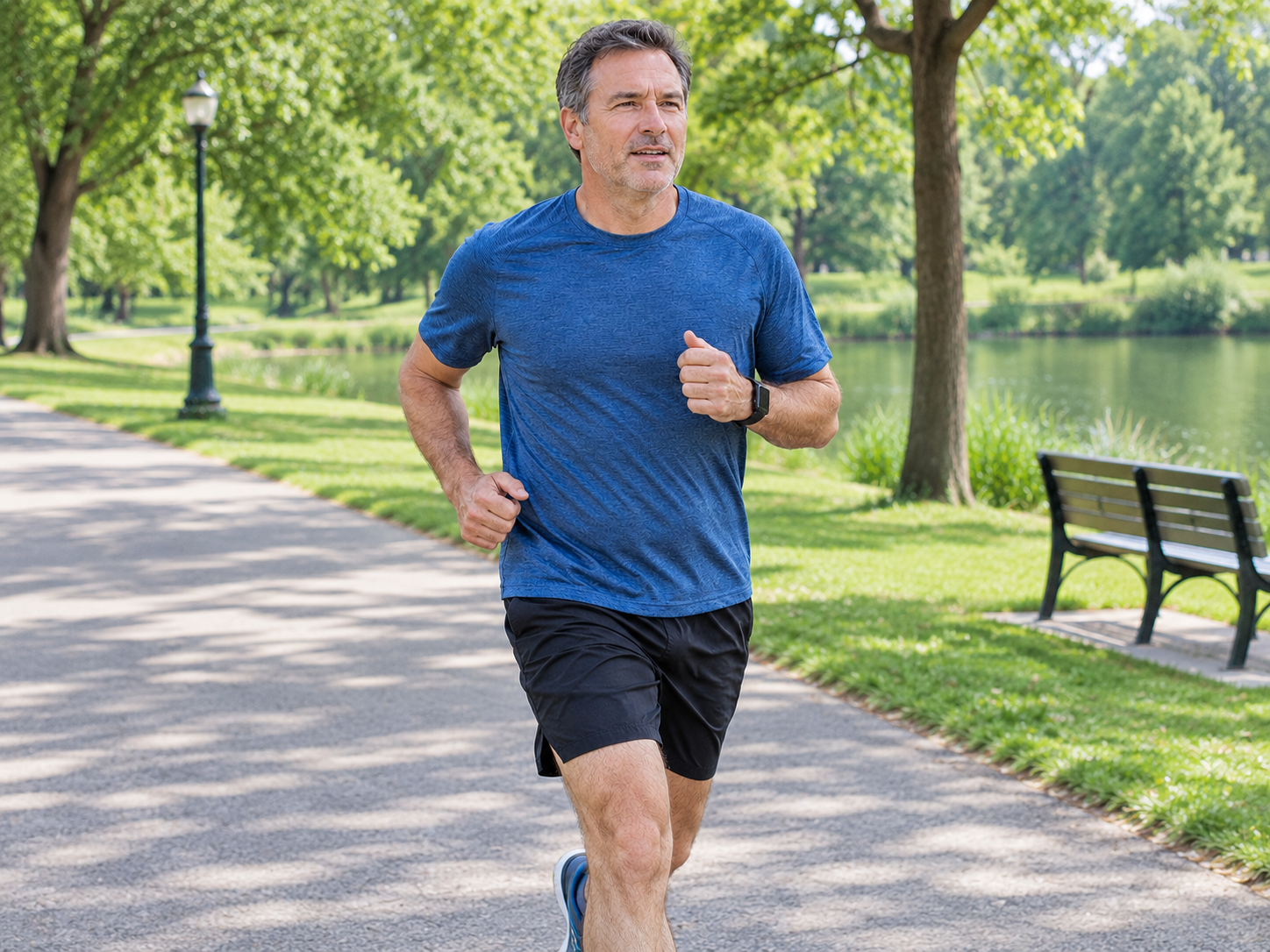
Recent research has given the health consciousness people a better window into effective exercise. Although doctors often say that you need 150 minutes of mild-to-moderate exercise a week to remain healthy there are lots of caveats with this. While this is generally good advice, it also falls short of optimal. Evidence is very strong that a mixture of cardiovascular training, some to high intensity; resistance – strength – training and some form of flexibility and balance training are necessary. Short bursts can be more effective than long sessions.
The five pillars of good health are:
1. Cardiovascular
2. Resistance – Strength Training
3. Flexibility
4. Grip Strength
5. Balance
How to Improve Fitness in a Short Space of Time: HIIT and Exercise Snacks
Improving fitness does not necessarily require long gym sessions or hours of exercise each week. Short bursts of physical activity, including high-intensity interval training (HIIT) and “exercise snacks”, can improve cardiovascular fitness, strength and overall health, even when time is limited. The key is to make movement a regular part of daily life and build up activity gradually.
High-Intensity Interval Training (HIIT)
HIIT involves alternating short periods of vigorous exercise with periods of rest or lower-intensity activity. For example, a person might sprint or cycle quickly for 30 seconds, followed by 60–90 seconds of gentle movement, repeating the sequence for 10–20 minutes.
HIIT is time-efficient because vigorous exercise places a greater demand on the heart, lungs and muscles. Over time, this can improve cardiovascular fitness, the body’s ability to use oxygen and exercise endurance. It can also help improve blood sugar regulation and support weight management.
HIIT can be adapted to different fitness levels. Beginners could alternate brisk walking with faster walking, while fitter individuals might use running, cycling, swimming or bodyweight exercises. A short warm-up and cool-down should be included, and high-intensity sessions should be separated by adequate recovery, particularly for beginners.
HIIT is not essential for improving fitness, however. Moderate-intensity exercise performed consistently can also produce substantial health benefits.
Exercise Snacks
Exercise snacks are very short bouts of physical activity, usually lasting between 30 seconds and several minutes, spread throughout the day. Rather than completing one long workout, people accumulate activity through brief, manageable sessions.
Examples include:
-
Taking the stairs briskly for one or two minutes.
-
Performing squats, lunges or wall push-ups during a work break.
-
Walking quickly for three minutes between tasks.
-
Doing short bouts of stair climbing or marching on the spot.
-
Taking a brisk walk after meals.
These activities can interrupt prolonged sitting, increase daily energy expenditure and improve blood sugar control. When repeated regularly, particularly at a moderate or vigorous intensity, exercise snacks can also improve cardiorespiratory fitness.
Their main advantage is accessibility: they require little or no equipment, can be fitted around work and family commitments, and may feel less intimidating than a formal workout. Several short bouts can add up to a meaningful amount of physical activity over the day.
Making Short Bursts Effective
Consistency is more important than occasional intense effort. A practical approach is to begin with a few short activity breaks each day, gradually increasing their frequency or intensity as fitness improves. For example, three five-minute brisk walks spread throughout the day provide 15 minutes of activity without requiring a dedicated exercise session.
Combining exercise snacks with two or three structured workouts per week can provide additional benefits. Strength exercises should also be included to maintain muscle and bone health.
People who are inactive should start gently and progress gradually. Those with existing medical conditions, significant joint problems or concerns about vigorous exercise should seek appropriate professional advice before starting HIIT.
Conclusion
HIIT and exercise snacks offer flexible, time-efficient ways to improve fitness. HIIT develops cardiovascular capacity through brief, challenging intervals, while exercise snacks make movement easier to incorporate into everyday routines. The most effective strategy is to move regularly, choose activities that are enjoyable and sustainable, and increase the challenge gradually. Short sessions may not replace every benefit of longer workouts, but they can make a meaningful contribution to a healthier, fitter lifestyle.
Image: Julian Jackson