
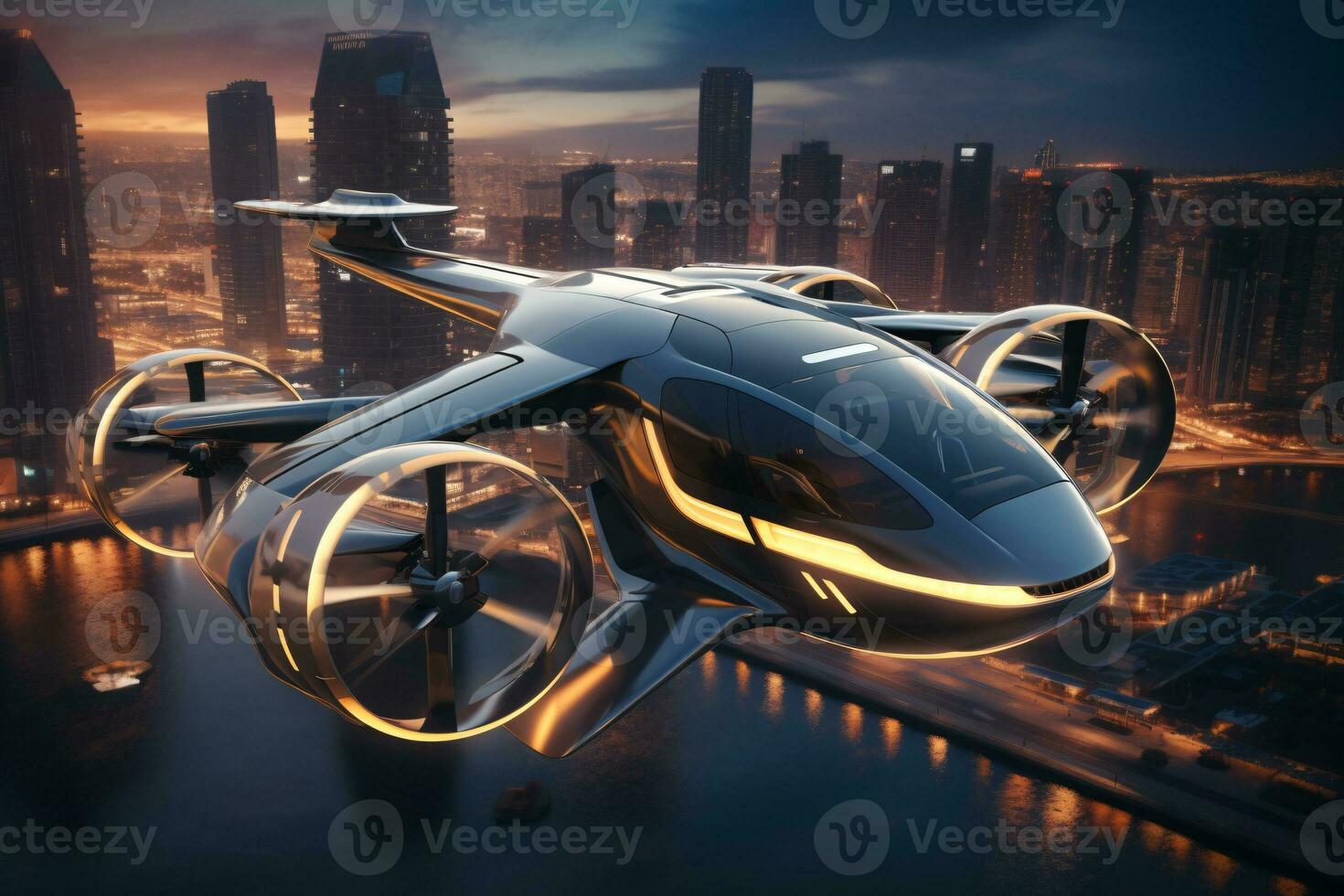
In the film Stardust, an intrepid bunch of misfit aeronauts, led by Robert de Niro – hamming up his faux-evil pirate leader – attempt to bottle lightning. Could this really happen – can we develop clean electric aircraft, to dance in the skies without burning the planet down?
It’s a big ask: petrol and jet fuel are the mainstays of tourism, business travel and commerce. Since the Wright Brothers’ first 12 second flight in 1903, aviation has raced ahead. The history of flight is astonishing in its achievements in only a century and a quarter.
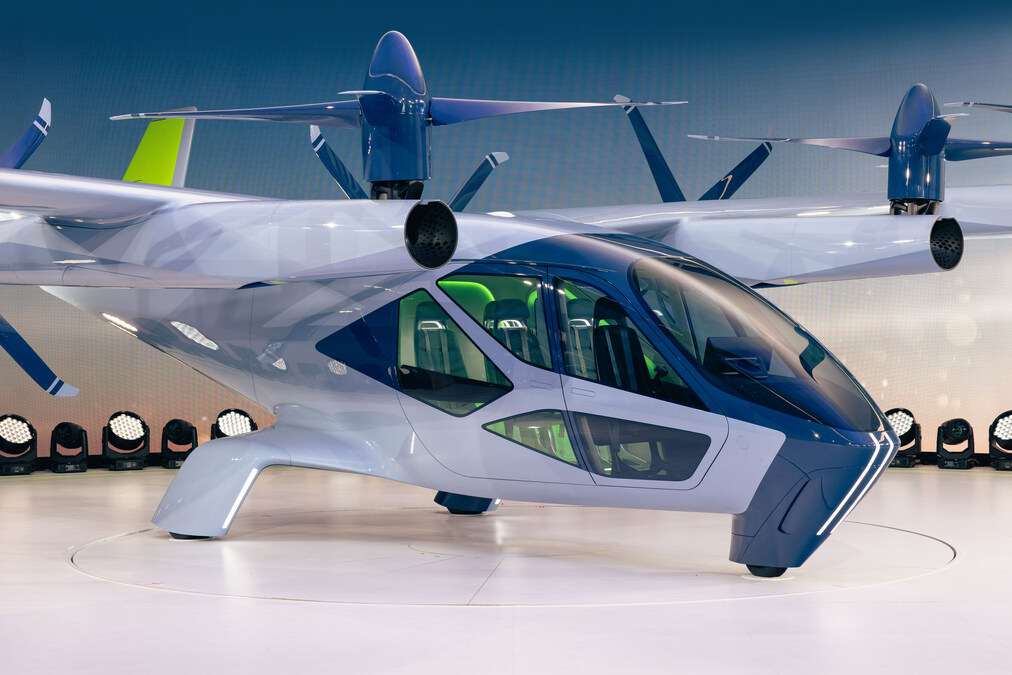
Could electric aviation be the next leap forward?
Theoretically, yes. Unfortunately with our current level of technological development, not anytime soon in any large scale. The power and energy requirements are a huge disadvantage for batteries and electric engines to overcome. Batteries are also heavy, and minimising weight is a key component to flight and efficient air transportation.
The aviation industry is actively developing and adapting more efficient and cleaner fuels, including so-called sustainable aviation fuel (commonly referred to as SAF), that will help address but not completely alleviate the issue. Major airlines and aircraft body and engine manufacturers are also actively pouring billions into making their aircraft more fuel efficient. Lighter materials and more efficient body shapes (such as merged wing designs) will reduce the amount of energy needed to get an aeroplane off the ground.
However it is unlikely any of this will quickly lead to a carbon-free air travel industry.
That hasn’t stopped plenty of people trying. Joby aviation claims to have created an air taxi in the USA. So have various other companies worldwide. The hurdles are not merely financial or technological. Air transport is highly regulated and controlled, so certification for unusual designs, especially if they are for carrying passengers, are going to be complex. The days of “barnstorming” in battered surplus military aircraft are long gone..
Similarly to cars, there are hybrid aircraft – that is powered by conventional engines with additional electric motors, for greater efficiency and lower emissions. These are probably more likely to find commercial niches, like surveying or crop spraying, rather than airliners.

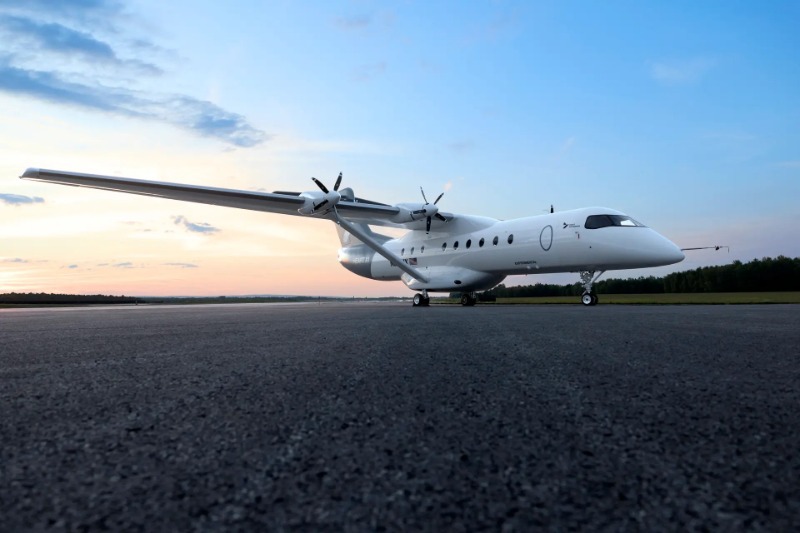
If the costs of jet fuel (kerosene) continue to rise, then the economics of electric aircraft will change for the better. Heart X1, the largest battery-powered aircraft ever flown, recently took to the skies over Pittsburgh, a 106 foot 4-engine prop plane entirely powered by batteries. It’s actual fuel consumption was claimed to be $5.00 for its test flight. A conventional plane would have guzzled thousands of dollars worth in that time.
So there are possible ways forward. It just doesn’t seem that it will be other than a small minority of aircraft will be partly or wholly powered by some kind of bottled lightning.