

Here’s a breakdown of some of the latest major environmental issues and degradation trends — what’s going wrong now, and why many scientists and policymakers view 2025 as a critical moment.
1. Biodiversity loss & ecosystem collapse
-
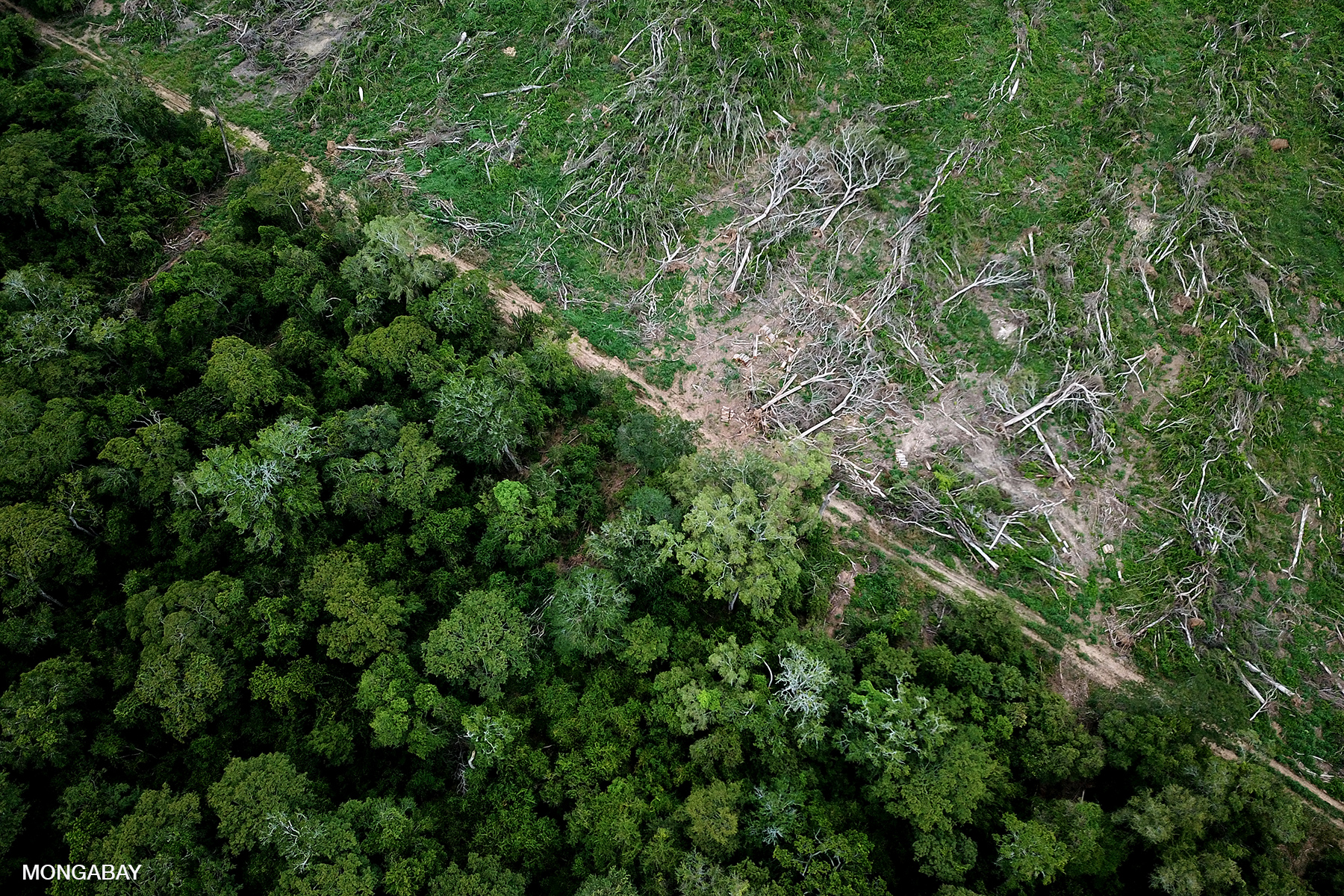
The world continues to lose species and natural habitats at an alarming rate. According to a recent global-risk assessment, biodiversity loss and ecosystem collapse remain among the top long-term environmental threats. World Economic Forum+2Decoding Biosphere+2
-
Habitats such as forests, wetlands, coral reefs and mountain ecosystems are under intense pressure from deforestation, pollution, land-use change, infrastructure development, and more.
-
The decline of biodiversity undermines ecosystem services we depend on — such as pollination, water purification, soil health, climate regulation and food security. World Health Organization+2Wikipedia+2

Why it matters: Ecosystem collapse doesn’t just harm wild nature — it threatens human well-being, livelihoods, food and water supply, and resilience to shocks (climate, disease, economic).
2. Climate change, extreme weather & forest loss

-
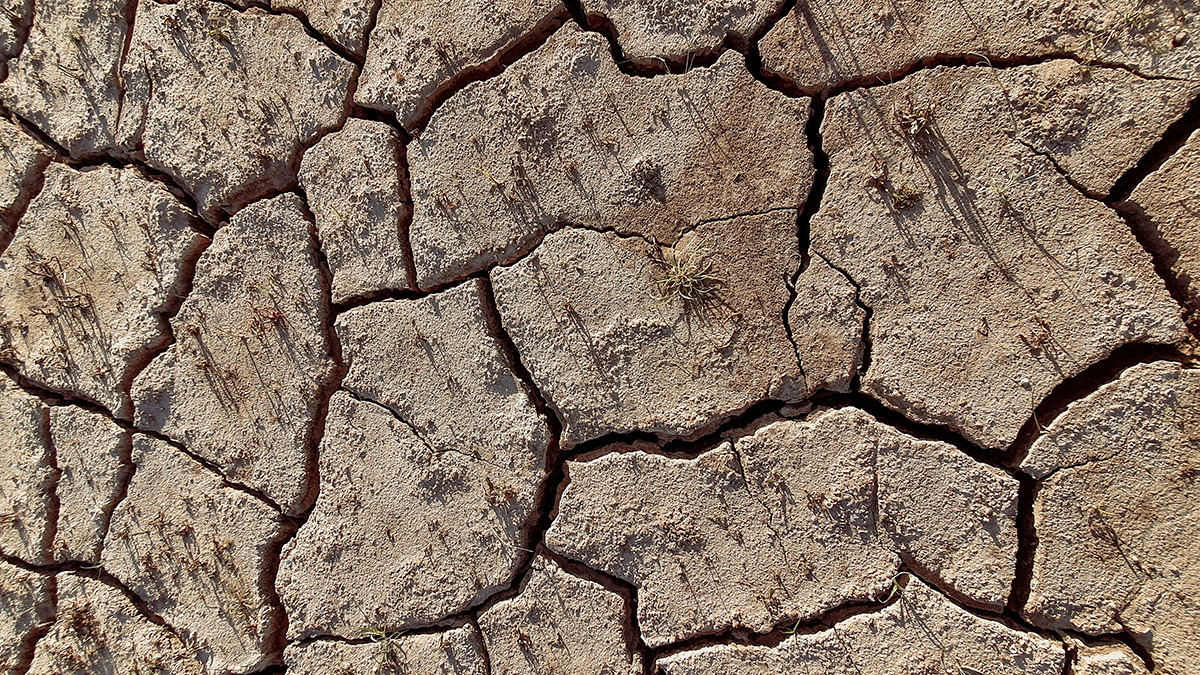
The latest climate-focused research shows a dramatic acceleration in environmental damage: in 2024, global tree-cover loss reached 29.6 million hectares — the second highest on record — with losses particularly severe in tropical primary forests. OUP Academic
-
Wildfires, droughts, floods and other extreme weather events are becoming more frequent and severe — degrading land, destroying habitats, displacing populations, and releasing large amounts of stored carbon. The Guardian+2OUP Academic+2
-
As forests (which act as carbon sinks) are degraded or lost, their capacity to absorb CO₂ weakens — further accelerating climate change in a dangerous feedback loop. The Guardian+2OUP Academic+2
Why it matters: This is a self-reinforcing cycle: climate change causes ecosystem damage, which in turn makes climate change worse. It threatens not only nature, but human infrastructure, health, food systems, and global stability.
3. Pollution — plastic, toxic waste, air and water contamination

-
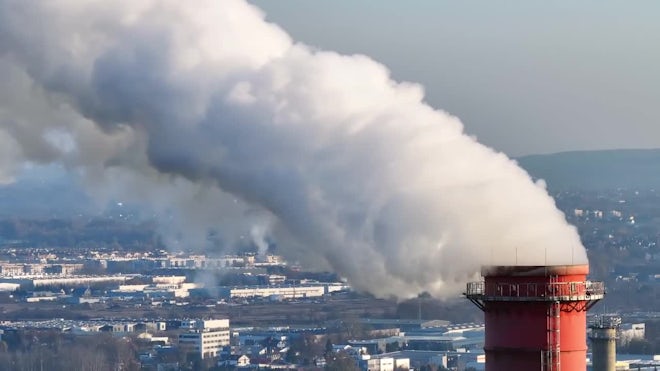
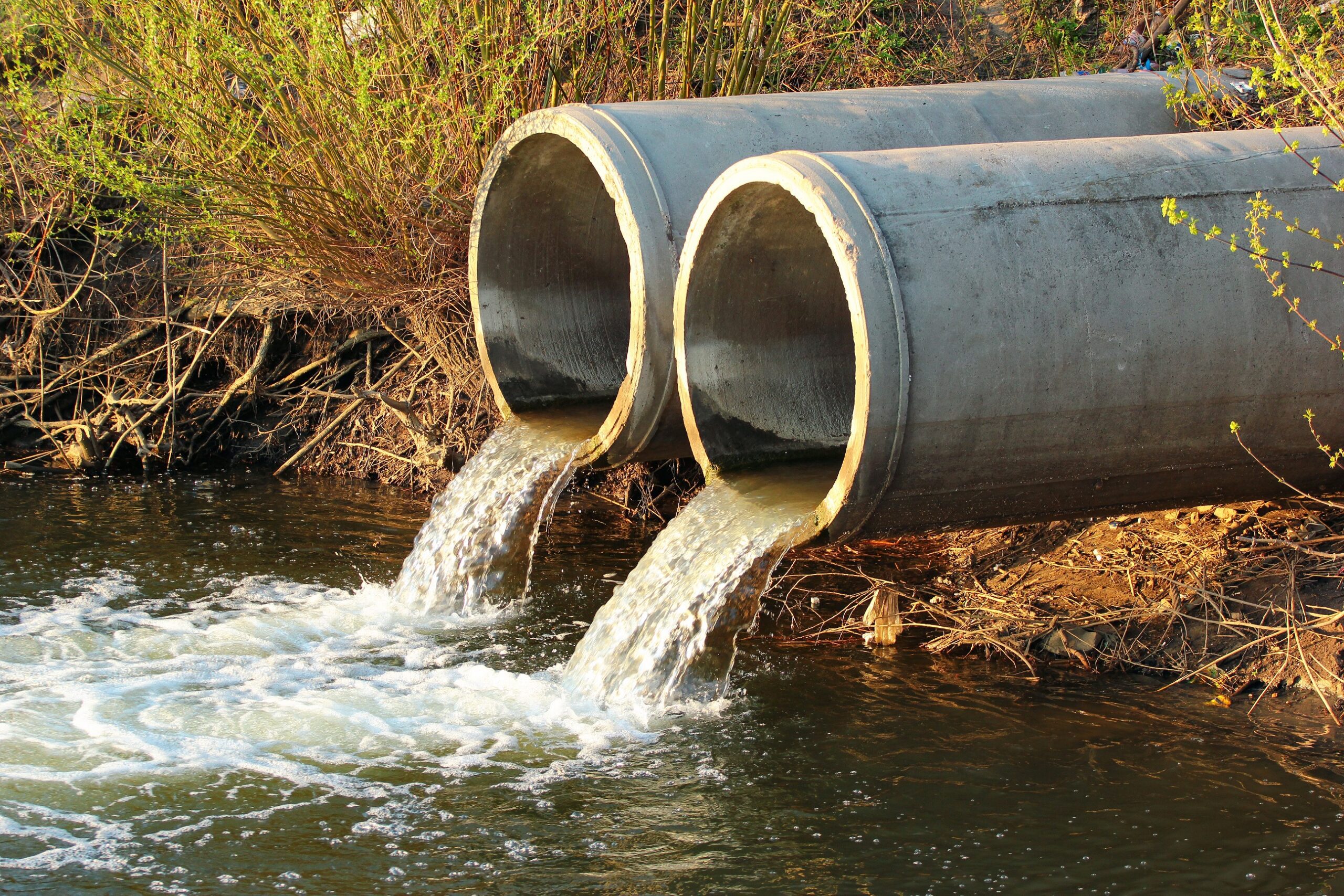
Pollution remains one of the most urgent global environmental threats. Plastic pollution, in particular, is undermining ecosystems both on land and in the ocean: microplastics and waste debris disrupt habitats, poison wildlife, and interfere with ecological balance. World Economic Forum+2World Economic Forum+2
-
Air and water pollution, along with toxic waste, continue to harm human health, ecosystems and biodiversity — sometimes in slow but persistent ways that are hard to reverse. Decoding Biosphere+2The Guardian+2
-
Inefficient waste management, combined with unsustainable production/consumption patterns, contribute significantly to this pollution load. World Economic Forum+1
Why it matters: Pollution degrades ecosystems, harms wildlife, undermines human health and livelihoods, and exacerbates climate and biodiversity crises.
4. Land degradation, soil erosion & shrinking vital resources

-
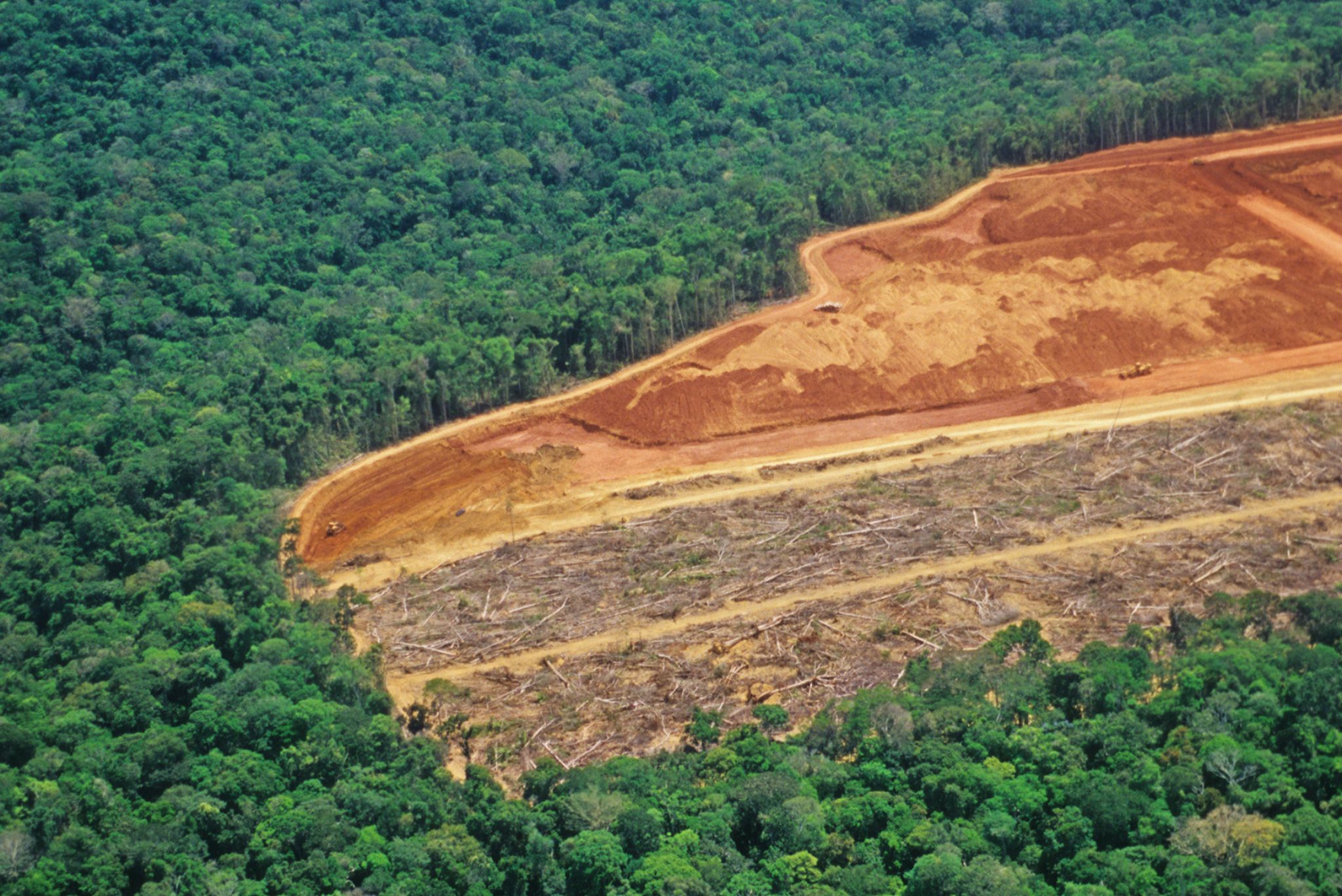
Soil erosion, land degradation and unsustainable farming practices are degrading once-productive land — threatening agriculture, food production and ecosystem resilience. Earth.Org+2UNESCO+2
-
In sensitive environments (e.g. mountain ecosystems), degradation can cause irreversible loss of biodiversity and ecosystem services. UNESCO+1
-
As natural resources (soil, clean water, stable ecosystems) degrade, the capacity of nature to “bounce back” shrinks — undermining long-term sustainability and human security. Wikipedia+2Earth.Org+2
Why it matters: Degraded land and resource scarcity threaten food and water security, especially for vulnerable populations — raising risks of hunger, conflict, displacement.
5. Growing social, economic and health impacts
-
As ecosystems degrade and biodiversity plunges, the services they provide — clean water, pollination, climate regulation — become less reliable, affecting agriculture, health, and livelihoods. World Health Organization+2Decoding Biosphere+2
-
Environmental degradation increases economic risks: firms and industries depending on “natural capital” — resources, stable ecosystems, climate resilience — face growing vulnerabilities; some analyses estimate large drops in firm values under continued environmental decline. arxiv.org+1
-
Health threats escalate: pollution, reduced water quality, poorer air quality, increased climate-related disasters, and loss of ecosystem services that buffer disease and environmental shocks. World Health Organization+2Earth.Org+2
6. Why the situation is intensifying now
-
The latest global assessments — including a 2025 continental environmental review in Europe — highlight that despite some progress (renewables, reduced emissions in certain sectors), overall environmental degradation continues. European Environment Agency+2The Guardian+2
-
Human demand and consumption remain unsustainably high: natural resources are used faster than ecosystems can regenerate — undermining the planet’s resilience and accelerating degradation. Wikipedia+2Earth.Org+2
-
Interconnected crises (climate change, biodiversity loss, pollution, resource scarcity) reinforce each other — so damage in one area often amplifies problems in others.
Despite COP30 these crises are ongoing and seem to be getting worse. What could have been addressed in the past few decades is now spiralling into a disaster that will affect the entire human species.