
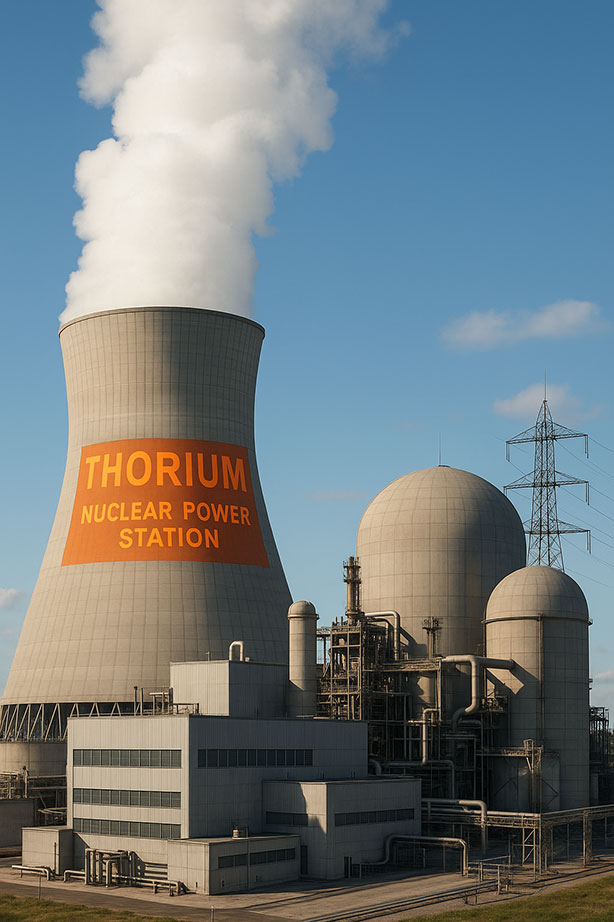
China has built and is operating a significant thorium reactor as potentially new generation of nuclear power plants. What is little-known is that the USA pioneered this technology in the 1960s, with the Shippingport Atomic Power Station, which operated a commercial scale thorium reactor from 1962-1976.
What are the advantages of thorium as a nuclear fuel? Thorium is rather more abundant than uranium as an available fuel source. The designs are safer than conventional reactors, with reduced long-lived waste. They also are not able to produce weapons grade material like plutonium, which ironically was one of the main reasons why the US reactor fell out of favour with the military and the plant was closed-down.
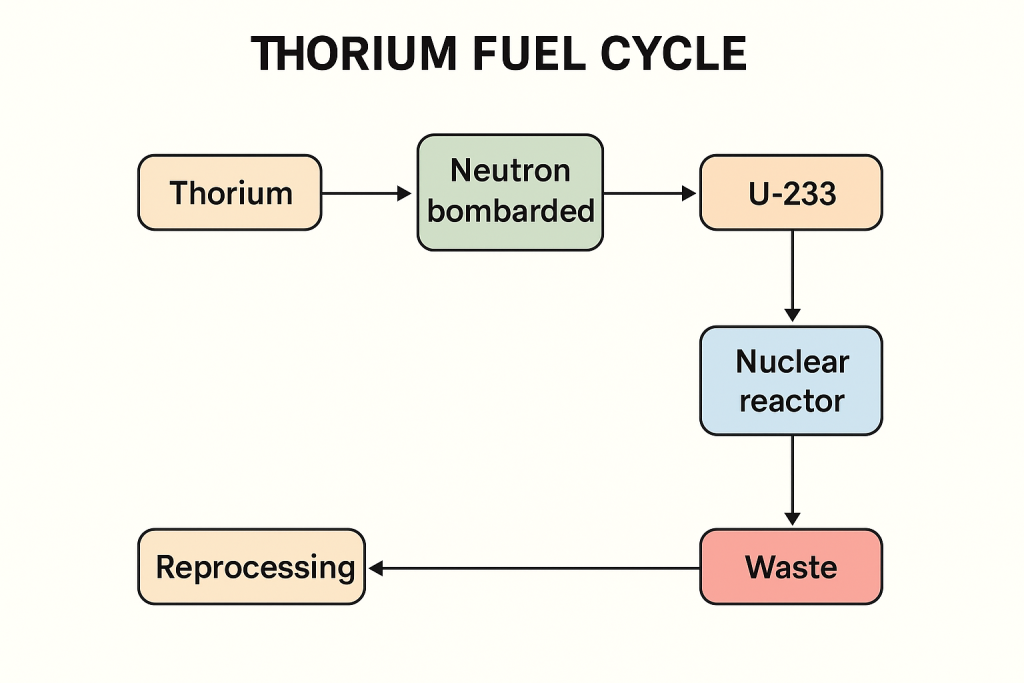
China’s new 2MW thorium molten-salt cooled reactor, built in Gansu Province, is a next-generation nuclear system that doesn’t use solid fuel rods like traditional reactors, but liquid fuel. Earlier this year the plant made history by being refuelled while still running, unlike conventional reactors, which need to be shut down to replace fuel rods.

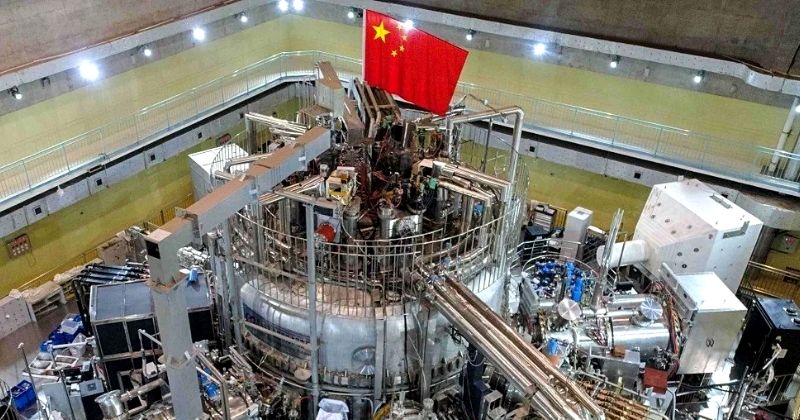
There are unfortunately also significant disadvantages for this developing area:
The technology is still at an early stage: no large-scale thorium commercial reactor fleet exists; many designs are experimental.
-
U-233 handling challenges: The bred fissile material (U-233) is contaminated with U-232, whose decay products require heavy shielding and complicate fuel handling.
-
Complex fuel cycle infrastructure: Thorium cycles, especially molten-salt–based, require reprocessing technologies that are not yet industrially mature.
-
High upfront R&D and capital costs: Developing new designs, safety standards, and supply chains is expensive.
-
Regulatory hurdles: Existing nuclear regulations and expertise are optimised for uranium/plutonium systems, slowing thorium adoption.
-
Operational experience is limited: Less real-world performance data compared to decades of uranium reactor operation.
The first U.S. thorium reactor experiment took place in the early years of civilian nuclear power and is usually associated with the Shippingport Atomic Power Station’s first core.

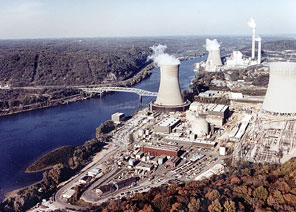
Shippingport Atomic Power Station — First U.S. Thorium Reactor Experiment (1962–1976)
Although Shippingport (in Pennsylvania) initially started up in 1957 using a conventional uranium core, it later became the site of the first major U.S. thorium fuel experiment. This was the only thorium-fueled breeder reactor ever run in a commercial-scale plant in the U.S.A. It remains one of the most significant demonstrations of the thorium fuel cycle in real-world conditions. Today there are huge steps forward in reactor design, computers, digital twins, and materials science, which should mean that thorium reactors have a huge advantage over the Shippingport design, which nevertheless was a qualified success.