
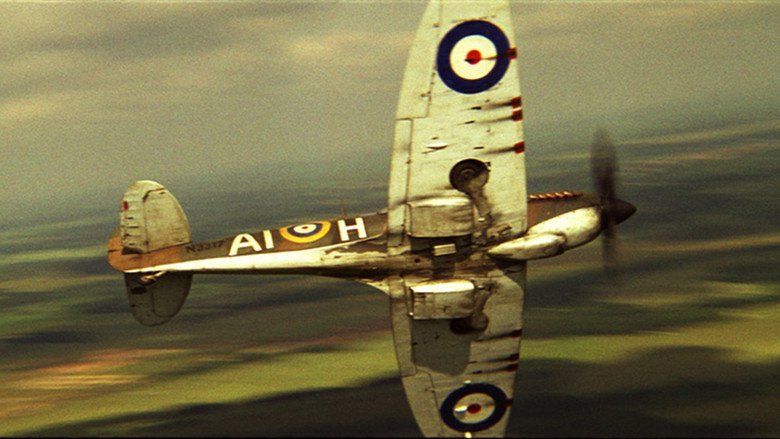
Dark Blue World tells a forgotten human story of Czech airmen fighting for Britain in World War Two
The hearty roar of a Merlin engine and the chattering banter of “Tally Ho, Red Leader” as Spitfires and Hurricanes dive on black-crossed German planes to defend Britain is etched into the minds of generations of Britons.
What isn’t so well understood is that many of the pilots in the Battle of Britain came from overseas: not just the British Empire: Australia, Canada, New Zealand, South Africa, India; but also places like Poland, which had been overrun by the Nazis.
Some of the finest air warriors were not English at all. Poles, Frenchmen, Czechs and others came with a burning drive to revenge the defeat of their homeland. The highest scoring Battle of Britain pilot was Czechoslovak: Josef Frantisek.
In “Fighter”, his definitive 1977 account of the Battle of Britain, Len Deighton wrote: “Poles and Czechs were not permitted to participate in the air fighting until they had mastered the rudiments of the English language and flying procedures. When they did start operations, these homeless men, motivated often by a hatred bordering upon despair, fought with a terrible and merciless dedication.”
88 Czech pilots fought in two squadrons in 1940.
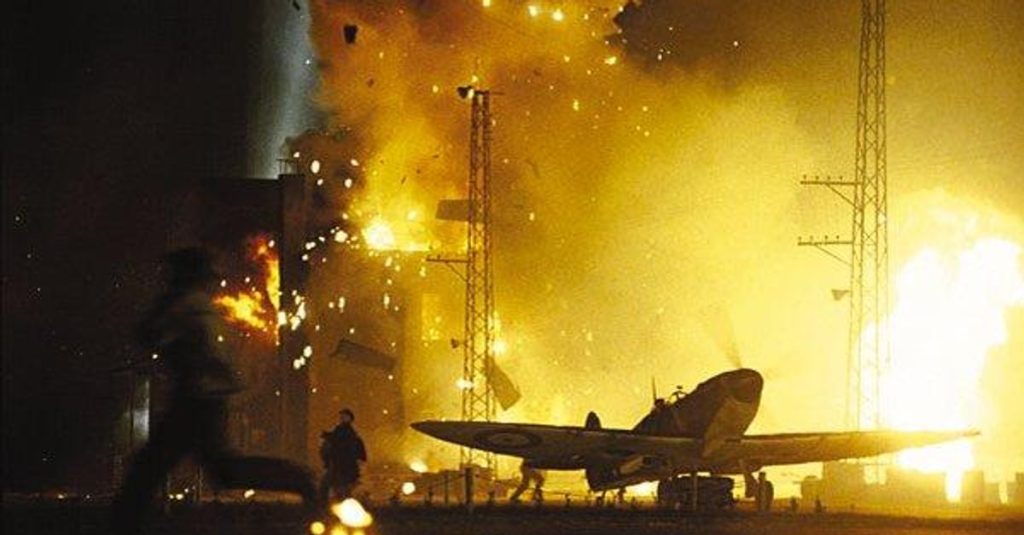
Dark Blue World is a 2001 co-production telling the story of two Czech airmen who escape to Britain to fight and love in a foreign land. The film makes extensive use of out-takes from the classic Battle of Britain movie, as well as CGI and model-work as well as flight sequences. Some of the joins are visible, so you need to suspend disbelief occasionally.
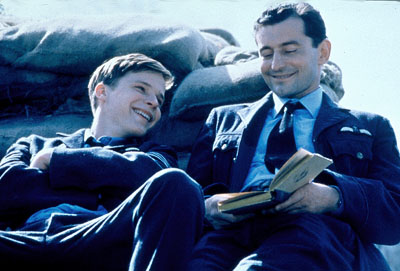
This limitation is a strength: the filmmakers (father and son team: director Jan Sverák and writer Zdenek Sverák) were forced to tell a story grounded in the relationships of the people involved. The central characters are Franta, (Frantizek) an older officer and his young protege, star pilot Karel, who escape from Czechoslovakia on a motorbike and eventually reach the UK, volunteering to fly. The RAF subjects them to ridiculous training on bicycles. The senior RAF officer, played by Charles Dance is initially sceptical but grows to appreciate his ugly ducklings as they grow into Spitfire swans.
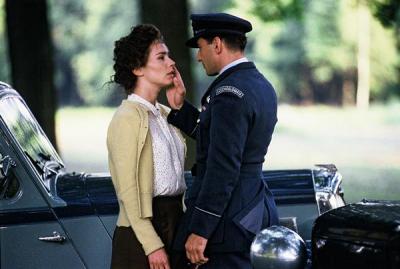
The other plot strand is both pilots fall for the same woman, Susan, whose naval husband is missing, played by the lovely Tara Fitzgerald. Karel is shot down and parachutes near to her manorial dwelling, where she fosters a bevvy of evacuated children. She then meets Franta and prefers his maturity over the lovestruck Karel.
As the triangle develops we are stretched between loyalty and love, as are the characters.
At one point…
[SPOILER]
Franta accuses his wingman of trying to shoot his plane down in an air battle to eliminate his love-rival. Heartache and sadness counterpoint the aerial action.
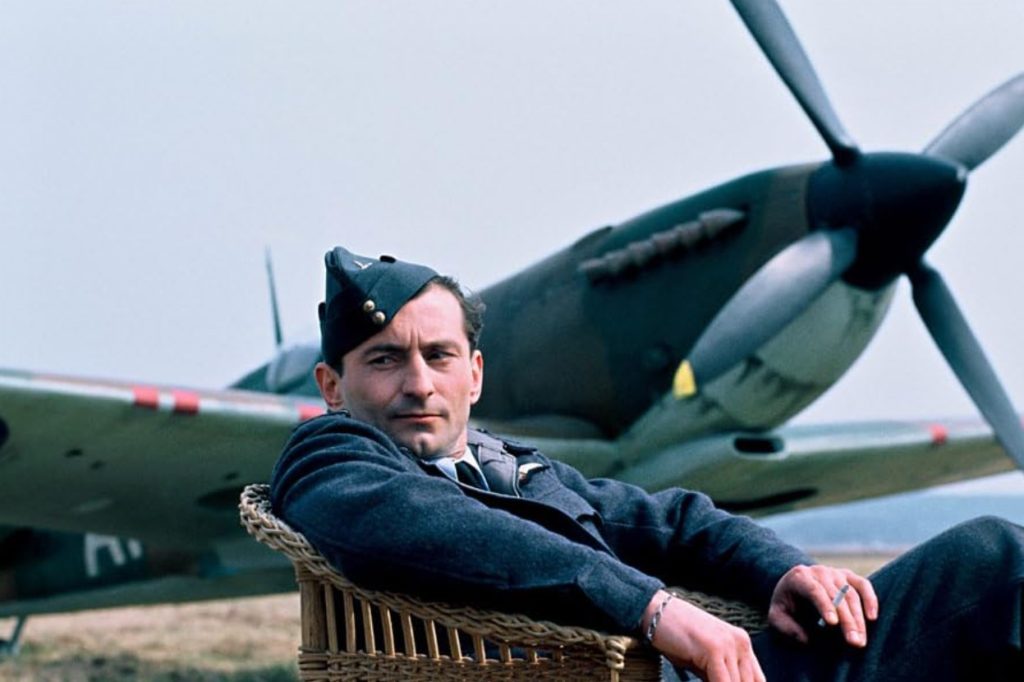
During the air combat, there is no music, just the natural sounds, which makes a relief from most movies of the “Michael Bay” genre.
Despite its excellent overall quality, there are creaky moments. As the action stretches over the whole of WW2, some later clips from the Memphis Belle are included. There is a credulity-stretching sequence in France. Apparently it was the most expensive scene in the film so couldn’t be cut.
The film has a framing device, set in a prison in Czechoslovakia, where some of the returned airmen are treated as traitors, not heroes, by the post-war Soviet regime. This felt forced and stereotypically “anti-communist”. This structure is a classic film trope but has become a cliché.
The sombre tone and concentration on relationships developing between disparate people make this an unusual and involving addition to the aviation film genre. We can remember the efforts of these brave men, who were exiles a long way from home, wearing RAF blue as they fought a lonely war in foreign skies.